TravelinWheels: Making disabled travel simple
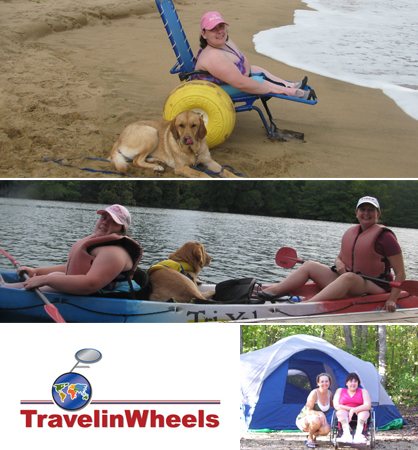
Travel can be an incredible hassle. But it is even worse if you have a disability. Based on her own difficulty traveling with her disabled daughter, Michell Haase founded TravelinWheels, a company that empowers travelers with disabilities to trot the globe more easily. Serving the $13.6 billion accessible and inclusive tourism industry, TravelinWheels provides the resources to those with disabilities in search of a fuss-free vacation.
“Our goal at TravelinWheels is to encourage, inspire and enable travel by people with disabilities. We provide the information they need to travel confidently,” Haase said. “TravelinWheels believes that despite the challenges that are associated with travel, and there are many, the reward of experiencing the world for oneself is an enlightening experience. That is why we believe in consumer and service provider education. We teach our consumers about ways to protect their equipment, what facilities offer, what to ask for of lodging providers, and, most importantly, we let them know their rights. Conversely, we teach service providers about the challenges their consumers go through to get to their doors. We inform them about functionality of their facilities, show them ways to better service everyone, and increase customer satisfaction.”
TravelinWheels enables travelers to make informed decisions. Although a facility may claim to be accessible, consumers may find it difficult to evaluate whether it will meet their individual needs. For example, a hotel may have a built-in shower bench, but it is out of reach of the shower controls.
The 2010 U.S. Census reports that more than 12 percent of American individuals over age five have a disability, with 14 million having hearing and/or sight problems and 19 million having mobility issues. According to Haase, “Accessible tourism is virtually untapped by the tourism industry and the new laws being put into place will help make accessible tourism not just about the physical accommodations of a venue, but a mindset providing a positive travel experience for all, regardless of their disability.”
TravelinWheels offers disabled travelers resources beyond just a traditional hotel website. Haase personally goes out and experiences the destination to decide if it measures up. Users can discover the complete lowdown on accessibility information for destinations scattered across the United States and Europe. For everything from hotels and restaurants to attractions, tours, transportation options and medical services, the site provides content such as virtual tours, detailed accessibility information, tips, tricks, reviews and first-hand ratings.
“We believe that knowledge is a powerful asset for everyone,” Haase explained. “There are so many people with disabilities who want to travel and see the world. They have the money to do it. However, they have not been given a holistic forum to get the information they need to do it with confidence. Some attempt, have a bad experience, and give up. Some adventurers keep going, despite the challenges. If we can bring all of these people as a community to share ideas, stories, and provide credible information, we are growing a consumer base whose visibility will open even more doors. The more people with disabilities that service providers see using their services, the more apt they are to understand the economic benefits beyond compliance.”
Haase’s experiences traveling the world with her wheelchair-bound daughter Kelsey, who suffers from spina bifida, led her to support and advocate for disability travel.
“I was dismayed by two things. One, the lack of complete, credible, objective information regarding accessibility for the places that we wished to go and things we wanted to do, and, two, the lack of understanding by those providing services to the general public regarding accessibility beyond compliance. Many places have been deemed as compliant, but they are not functionally accessible to those with disabilities,” Haase said.
Creating a number of checklists, she asked people with disabilities what they valued while vacationing. The result: She found many disabled individuals fear travel and don’t know how to pull off a successful trip.
“Disability and accessibility are relative terms,” Haase maintained. “Everyone’s needs and preferences are different, just as with ‘able-bodied’ consumers. However, service providers see ‘accessible’ and they think compliance to the ADA, which can be vague and interpreted in so many different ways. This often leads to compromises made, corners cut and facilities actually being inaccessible to many.”
In recognition of the troubles disabled individuals face, the U.S. government has declared new accessibility guidelines that go into effect in March. Hotels, airlines, attractions, entertainment venues and other entities in the industry are required to follow new standards of accessibility, opening up new marketing possibilities.
Under the new rules, accommodations must:
- Enable people with disabilities to reserve accessible rooms in the same manner as other guests.
- List the accessible features they offer so that those with disabilities can determine if the place of lodging meets their needs.
- Make sure reserved rooms are available when disabled travelers arrive.
For more information, visit www.travelinwheels.com.
Tagged in: travel, disabled, travelinwheels, disability,
LadyLUX via TravelinWheels